 EN

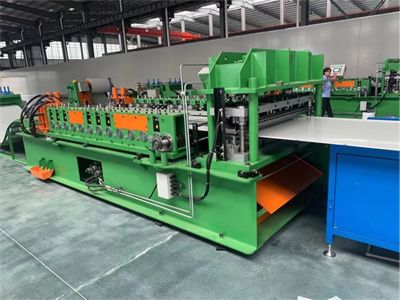
In this article, we will discuss what happens inside a sandwich panel production line of manufacturing operations that control quality. Sandwich panels are important construction materials consisting of two outer layers and a insulation core, commonly used in buildings and other structures. Understanding sandwich panel production helps buyers compare production capacity, assess material composition, and review quality control procedures across suppliers. Knowledge about the production process, the required technical specifications, and quality issues is crucial for buyers, such as purchasing managers and engineers, who expect a reliable products. The aim of this article is to provide readers with practical information about sandwich panel production so they can more easily make purchasing decisions.
An Overview
The sandwich panel production line is a intricately designed and highly integrated system that includes various machines and processes to produce high-quality sandwich panels. It often consists of components that process different types of insulation materials such as polyurethane, rock wool, and EPS. A well balanced system for sandwich sandwich panel machine production helps control production capacity and ensures proper material composition before it moves to the next stage. Quality control procedures are built into the line, with in-line checks that monitor adhesion, dimensions, and cure times. At Shanghai Zhongji Machinery Co., Ltd., there are 50 patents and CE/ISO certification that ensure the quality and reliability of our production lines.
Key Specifications to Consider for Sandwich Panel Production Lines
When choosing a sandwich panel production line, there are several technical specifications that must be evaluated for suitability. These include:
Material Composition: The materials used must be suitable for the required thermal insulation and structural integrity. Polyurethane, for example, has high insulating properties but may not be suitable for applications that require a higher fire resistance. A careful review of these options helps ensure compatibility with safety standards during sandwich sandwich panel production line production. Production Capacity: The required production volume must be considered. The line should be capable of producing a sufficient number of panels to meet market demands. A higher production capacity should not compromise material composition or adhesion quality, and robust quality control procedures help maintain consistency. Customizability: It is also important to assess whether the production line can be customized for different sizes and types of panels, allowing for greater flexibility in production.
Evaluating the Quantity of Sandwich Panels in Productions
The overall quality and performance of sandwich panels depends on various factors in production. First, the raw materials must be carefully selected and inspected. It is advisable to conduct tests on material samples before mass production. Second, the assembly process must be closely monitored to ensure thar there are no defects. It is important to consider the following: A continuous focus on material composition and adhesives during assembly helps control outcomes in sandwich panel production.
Dimensional Accuracy: The dimensions of the panels must be accurate according to the set specifications to avoid installation issues. Adhesion Strength: The bonding strength of the layers is critical. It must be ensured that the adhesive used is suitable for the materials being joined. Quality Control Procedures: There must be a clear quality control system that includes regular inspections and testing. Quality control procedures should be documented and traceable across batches to support accountability.
Cost Factors to Assess When Purchasing Sandwich Panel Machinery
When buying a sandwich panel machinery, many factors can affect the overall cost of ownership. The main factors to consider include:
Initial Investment: The price of the machine is often set based on its technology and capabilities. A more advanced machine may be more expensive but offers higher production efficiency. Consider how production capacity and material composition influence long-term savings when selecting equipment. Operational Costs: These include expenses for electricity, maintenance, and consumables. It is important to consider the total cost of ownership (TCO) rather than just the price of the machine. Quality control procedures integrated into operation can reduce waste and maintenance costs. Customization Costs: If special features or modifications to the machine are required, the additional costs should also be included in the budget.
Installation Guidance for Optimal Sandwich Panel Production Efficiency
To achieve an optimal production efficiency, the proper installation of the sandwich panel production line is crucial for reliable operations. Here are some recommendations: A well planned site layout supports sandwich panel production capacity and helps quality control procedures run smoothly.
Site Preparation: Ensure that the installation location has a sufficient space for the machine and materials. A well-organized layout will help achieve better workflow. Staff Training: Machine operators must be trained in the proper use and maintenance of the equipment. Proper training reduces the risk of errors and increases efficiency. Regular Maintenance: A system of regular maintenance should be established to keep the machine in good condition. Unexpected breakdowns can cause production delays, so it is important to check the necessary parts more often.
Installation Guidance for Optimal Sandwich Panel Production Efficiency
To achieve an optimal production efficiency, the proper installation of the sandwich panel production line is crucial for reliable operations. Here are some recommendations: A well planned site layout supports sandwich panel production capacity and helps quality control procedures run smoothly. Site Preparation: Ensure that the installation location has a sufficient space for the machine and materials. A well-organized layout will help achieve better workflow. Staff Training: Machine operators must be trained in the proper use and maintenance of the equipment. Proper training reduces the risk of errors and increases efficiency. Regular Maintenance: A system of regular maintenance should be established to keep the machine in good condition. Unexpected breakdowns can cause production delays, so it is important to check the necessary parts more often.
Installation Guidance for Optimal Sandwich Panel Production Efficiency
To achieve an optimal production efficiency, the proper installation of the sandwich panel production line is crucial for reliable operations. Here are some recommendations: A well planned site layout supports sandwich panel production capacity and helps quality control procedures run smoothly. Site Preparation: Ensure that the installation location has a sufficient space for the machine and materials. A well-organized layout will help achieve better workflow. Staff Training: Machine operators must be trained in the proper use and maintenance of the equipment. Proper training reduces the risk of errors and increases efficiency. Regular Maintenance: A system of regular maintenance should be established to keep the machine in good condition. Unexpected breakdowns can cause production delays, so it is important to check the necessary parts more often. By understanding these processes, consumers can make a more informed decisions when purchasing sandwich polyurethane sandwich panel machine machinery. This approach also helps buyers compare material composition across suppliers and plan for robust quality control procedures through supply chain. The details in production and quality emphasize the importance of careful evaluation and preparation at every step of the process.
Table of Contents
- An Overview
- Key Specifications to Consider for Sandwich Panel Production Lines
- Evaluating the Quantity of Sandwich Panels in Productions
- Cost Factors to Assess When Purchasing Sandwich Panel Machinery
- Installation Guidance for Optimal Sandwich Panel Production Efficiency
- Installation Guidance for Optimal Sandwich Panel Production Efficiency
- Installation Guidance for Optimal Sandwich Panel Production Efficiency